
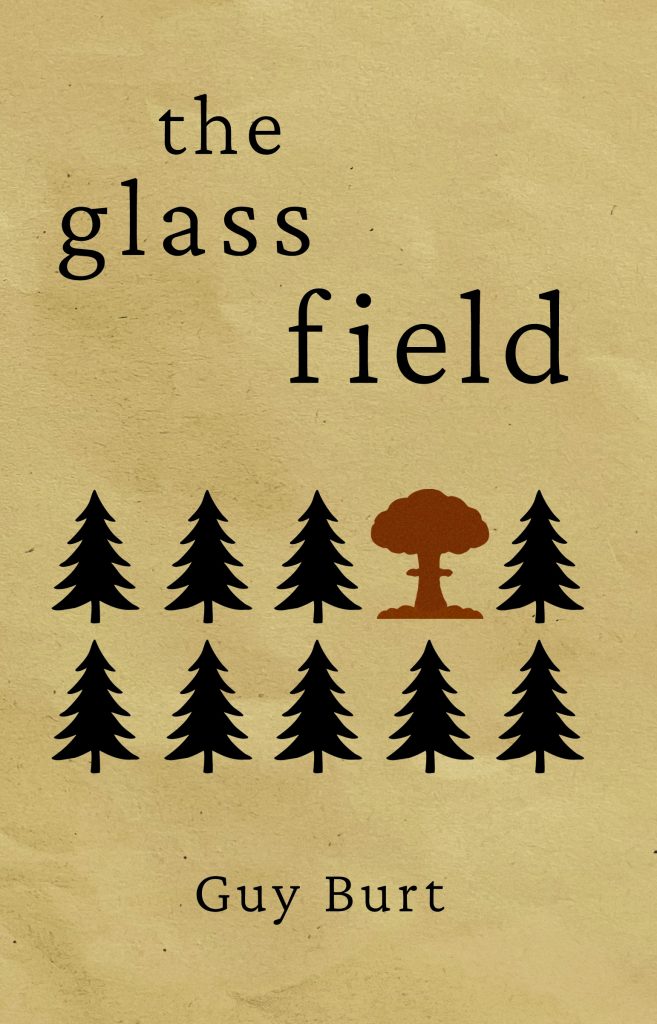
The Glass Field for reading groups

The Glass Field centres on the uneasy connection between two damaged fifteen-year-olds. Although the novel follows adolescent characters, it is very much written for an adult readership. Using an adolescent lens to bring a compromised adult world into focus has always fascinated me: think of McEwan’s Atonement, or Ferrante’s The Lying Life of Adults, or Moss’s Ghost Wall. All of these use their young characters as a way of bringing adults into focus. The Glass Field follows in those footsteps.

The novel stays very close to Scott and Jodie’s experience of a particular summer: their fears, grief, isolation, relationships, and growing dependence on one another. Along the way it explores themes of loss, self-harm, self-image, outsiderness, and the stories they construct in order to survive emotionally. Although the book is set in 1986, those themes are, I think, just as relevant today as they ever were.

The questions I’ve set out below, and in the accompanying PDF, are designed to open up discussion rather than lead readers towards fixed conclusions. If your reading group uses these notes and you’d like to share thoughts or questions afterwards, you’re very welcome to get in touch via the Contact Page. While I can’t promise to reply to everything, I’m always interested to hear how different readers respond to the book.


Sample reading group questions

These are some ‘headline questions’ to get the ball rolling. You can find more targeted questions about specific scenes or characters in the PDF linked below.

Which character did you feel closer to while reading: Scott or Jodie? Did that change as the book went on, and if so, why?

Why do you think the novel uses adolescent protagonists? Adolescent protagonists are rare in adult literary fiction. Does using young characters bring any advantages to a novel like this? Why do you think the author chose to explore this territory through this particular lens? Could the book be written with adult characters instead?

Was there a particular moment or scene that really stuck with you after finishing the book? Something unsettling, moving, funny or surprising?

What purpose does the bunker really serve? On the face of it, it’s a place to survive nuclear war. What does its purpose become, and to what extent do you think the teens are aware of its shift in meaning for them?


Download the PDF

This document includes the above questions, plus many more, and background on the author and the book. Please be aware that it contains spoilers – many of the questions refer directly to incidents in the novel in a way that would spoil the experience for someone who hasn’t yet read the book. The document is best used after reading, not alongside reading.


To be kept informed of new writing and novel releases, please join the mailing list.

If you would like, you can also read an extract from the novel.